
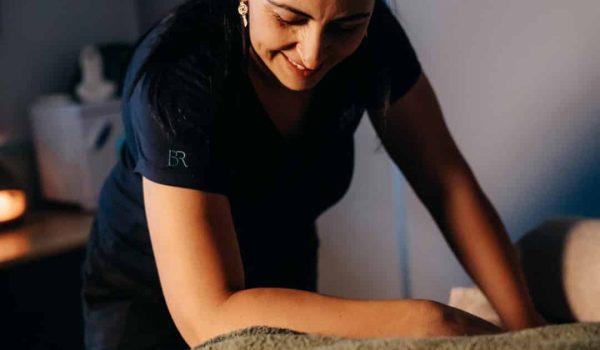
If you’ve rolled an ankle, strained a hamstring or aggravated your shoulder, you want to recover fast — and get back to what you love. Remedial massage is one of the most effective, evidence-backed tools for sports injury recovery. Unlike a standard relaxation massage, remedial massage is clinical in its approach: your therapist assesses the injured tissue, identifies compensating muscles, and applies targeted techniques to reduce pain, restore movement and accelerate healing.
At Body Remedy Kellyville, our remedial massage therapists work with everyday athletes, weekend warriors and active individuals across the Hills District — treating everything from hamstring tears to chronic shoulder tension.
This guide covers the science behind how remedial massage heals sports injuries, real recovery timelines, injury-specific techniques, and exactly when you should (and shouldn’t) book your first session.
What Is Remedial Massage for Sports Injuries?
Remedial massage for sports injuries is a targeted, therapeutic form of massage that assesses and treats the muscles, tendons, ligaments and connective tissue affected by injury. It goes beyond surface-level relaxation — your therapist uses a combination of clinical assessment and hands-on techniques to locate the source of dysfunction and restore normal tissue function.
How it differs from regular sports massage:
- Sports massage focuses on preparation and general muscle maintenance for athletic performance (pre- and post-training)
- Remedial massage addresses specific injury sites, compensating muscle groups, and underlying dysfunctions causing pain or restricted movement
If you’re dealing with an actual injury — not just general muscle soreness — remedial massage is the more appropriate treatment. You can learn more about the performance side of sports massage in our guide to unlocking athletic potential with sports and remedial massage.
The 3 Phases of Sports Injury Healing
Understanding where you are in the healing process determines what kind of treatment is appropriate. Applying the wrong type of massage at the wrong time can delay recovery.
Phase 1 — Acute Phase (0 to 72 Hours After Injury)
What’s happening: Inflammation is at its peak. Your body is sending blood and immune cells to the injury site. Swelling, heat and pain are signs the healing process has begun.
Should you get a massage? Not directly on the injury. Massage over an acutely inflamed area in the first 72 hours can increase blood flow further and worsen swelling. Use RICE (Rest, Ice, Compression, Elevation) in this phase. Gentle massage on surrounding areas to reduce compensation tension is fine.
Phase 2 — Subacute Phase (3 to 10 Days Post-Injury)
What’s happening: Inflammation begins to settle. The body starts laying down new collagen fibres to repair the damaged tissue.
Should you get a massage? Yes — gentle remedial massage can begin. Techniques like lymphatic drainage and light effleurage (gliding strokes) help clear excess swelling and encourage healthy scar tissue formation. Early intervention at this stage significantly reduces recovery time and the risk of forming restrictive scar tissue.
Phase 3 — Remodelling Phase (10 Days to Several Months)
What’s happening: New collagen is being laid down and remodelled. The tissue is regaining strength, but it’s still vulnerable to re-injury if loaded too early.
Should you get a massage? Absolutely. This is where remedial massage has the greatest impact — deep tissue work, myofascial release and trigger point therapy break down restrictive scar tissue, improve tissue mobility and help restore full range of motion.
How Long Does a Sports Injury Take to Heal with Remedial Massage?
Recovery time depends on the injury type, severity and how early treatment begins. Remedial massage can significantly shorten recovery compared to rest alone. Here’s a general guide:
| Injury | Without Treatment | With Regular Remedial Massage |
|---|---|---|
| Ankle sprain (Grade 1–2) | 4–8 weeks | 2–4 weeks |
| Hamstring strain (Grade 1) | 3–6 weeks | 1–3 weeks |
| Rotator cuff strain | 6–12 weeks | 3–6 weeks |
| Shin splints | 4–8 weeks | 2–5 weeks |
| Tennis/golfer’s elbow | 6–12 weeks | 4–8 weeks |
| IT band syndrome | 4–8 weeks | 2–6 weeks |
These are general estimates. Your therapist will provide a tailored recovery timeline at your initial assessment.
For acute injuries, most clients benefit from 1–2 sessions per week in the early stages, tapering to weekly or fortnightly as healing progresses. For chronic or recurring injuries, monthly maintenance often prevents re-injury.
Common Sports Injuries Treated at Body Remedy Kellyville
Our Kellyville therapists regularly treat the following sports injuries across the Hills District, Castle Hill, Norwest, Bella Vista and surrounding areas:
Hamstring Strains
One of the most common running injuries. Remedial massage addresses the torn fibres directly, reduces protective muscle guarding in surrounding hip and lower back muscles, and improves the quality of scar tissue through progressive deep tissue work.
Rotator Cuff Injuries
Shoulder overuse injuries common in swimmers, tennis players and anyone doing overhead work. Remedial massage releases the surrounding muscles (pec minor, subscapularis, upper trapezius) that pull the shoulder out of alignment, reducing strain on the rotator cuff tendons.
Shin Splints (Medial Tibial Stress Syndrome)
Deep tissue massage to the tibialis anterior and posterior reduces periosteal inflammation, while fascial release along the lower leg helps correct the biomechanical load that caused the injury.
Ankle Sprains
Lymphatic drainage reduces swelling in the early subacute phase. Later, deep tissue work restores mobility to the ankle joint, while calf and peroneal muscle work reduces re-injury risk.
IT Band Syndrome
Common in runners and cyclists. Remedial massage to the TFL, glutes and lateral quadriceps releases the tension pulling on the IT band — something that stretching alone rarely achieves.
Tennis & Golfer’s Elbow
Targeted cross-fibre friction massage to the common extensor or flexor tendons combined with forearm muscle work breaks down adhesions and promotes healthy tendon remodelling.
5 Remedial Massage Techniques for Sports Injury Recovery
1. Deep Tissue Massage
Firm, sustained pressure applied to deeper layers of muscle and connective tissue. Breaks down adhesions, releases chronic muscle tension and improves tissue pliability. Most effective from Phase 2 onwards.
2. Trigger Point Therapy
Concentrated pressure applied to hyperirritable spots within muscle tissue that refer pain to other areas. For example, trigger points in the glutes often refer pain down the leg, mimicking sciatica. Releasing these reduces pain without the need for medication.
3. Myofascial Release
Slow, sustained stretching techniques applied to the fascia — the connective tissue surrounding every muscle. Fascial restrictions following injury can limit movement and cause pain far from the original injury site. Myofascial release restores normal fascial glide.
4. Cross-Fibre Friction
A precise technique applied directly to tendons or ligaments to break down scar tissue adhesions and stimulate healthy collagen remodelling. Particularly effective for chronic tendon injuries like tennis elbow and Achilles tendinopathy.
5. Lymphatic Drainage
Gentle, rhythmic strokes that stimulate the lymphatic system to clear excess fluid from inflamed tissue. Highly effective in the subacute phase to reduce swelling and accelerate the transition to active repair.
Remedial Massage vs Sports Massage — Which Is Right for Your Injury?
The short answer:
- Sports massage = best for performance, training recovery, and injury prevention
- Remedial massage = best for treating a specific injury
In practice, most athletes benefit from both at different points in their training cycle. For a deeper look at how sports massage supports performance and training, see our post on sports and remedial massage for athletic potential.
Frequently Asked Questions
Can I get a remedial massage immediately after a sports injury?
Not directly on the injured area. In the first 48–72 hours (acute phase), massage can increase inflammation at the injury site. From day 3–4 (subacute phase), gentle remedial massage to the injury site is appropriate and beneficial. Your therapist can work on surrounding muscles and compensation areas from day one.
How often should I get remedial massage for a sports injury?
For acute injuries, 1–2 sessions per week is typical in the first 2–3 weeks, tapering as healing progresses. For chronic or recurring injuries, fortnightly or monthly sessions are recommended for ongoing management and prevention.
Does remedial massage hurt?
Remedial massage involves firm pressure and can cause some discomfort, particularly when working on trigger points or scar tissue. The sensation is often described as a “good hurt” — uncomfortable but relieving. A good therapist will always communicate and adjust pressure to your tolerance.
How is remedial massage different from physiotherapy for sports injuries?
Physiotherapy focuses on exercise-based rehabilitation, joint mobilisation and neurological retraining. Remedial massage focuses on soft tissue — muscles, tendons, fascia and ligaments. For most sports injuries, a combination of both produces the best outcomes.
Is remedial massage covered by private health insurance in Australia?
Yes, in most cases. Remedial massage by a qualified therapist is covered under the Extras component of most Australian private health insurance policies. Check with your provider for your specific rebate amount.
Where can I get remedial massage for sports injuries near Kellyville?
Body Remedy is located in Kellyville and serves clients across the Hills District including Castle Hill, Norwest, Bella Vista, Rouse Hill and Baulkham Hills. Book your appointment online or call (02) 7241 5522.
Start Your Recovery the Right Way
Sports injuries are frustrating — but with the right treatment at the right time, you can recover faster, avoid chronic pain and get back to doing what you love. Remedial massage is not a luxury; for anyone who trains regularly, it’s an essential part of injury management and long-term performance.
Whether you’re dealing with a fresh hamstring strain, a nagging shoulder injury or months of shin splints that won’t resolve, our experienced remedial massage therapists at Body Remedy Kellyville are here to help.
Book online now or view our full FAQ to learn more about what to expect from your first session.
Related reading: Sports and Remedial Massage for Athletic Performance


