
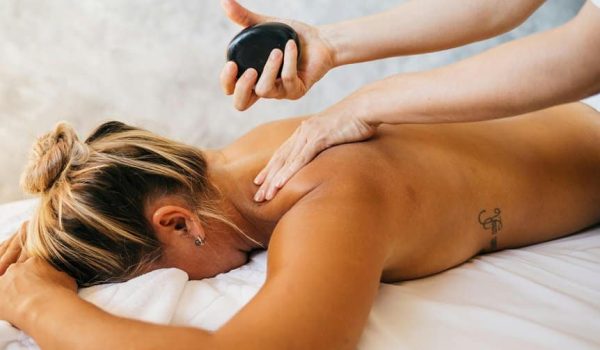
Lower back pain is one of the most common reasons people book a massage — and for good reason. If your lower back feels tight, achy or stiff after long hours at a desk, heavy lifting or a tough workout, remedial massage for lower back pain can release the muscle tension driving your discomfort and provide real back pain relief. Here is how remedial and deep tissue massage work, the techniques a therapist uses, what to expect in a session, whether massage helps sciatica, and the signs that mean you should see a doctor first.
What causes lower back pain?
Most everyday lower back pain is muscular. Long periods of sitting, poor posture, repetitive bending or lifting, a weak core and sudden strain can all leave the muscles of the lower back, glutes and hips tight and overworked. This muscle tension can pull on the spine and pelvis, creating that familiar ache, stiffness and reduced mobility. Some back pain is linked to inflammation, disc issues or the sciatic nerve, but the majority of cases are soft-tissue related — exactly what remedial massage therapy is designed to address.
How does remedial massage help lower back pain?
Remedial massage targets the root cause of the pain rather than just masking it. By releasing tight muscles, easing trigger points and improving circulation, a session can reduce pain, calm muscle tension, restore movement and improve mobility. This is one of the key benefits of remedial massage: many people leave feeling looser and more comfortable, with less of the guarding that keeps the cycle of chronic pain going. Regular massage therapy can also help prevent minor niggles from becoming long-term problems. Learn more on our remedial massage page.
Types of massage and techniques for back pain
Your therapist tailors the treatment to you. The main types of massage for lower back pain are remedial massage and deep tissue massage, and a session often blends both. Common massage techniques include deep tissue massage to reach deeper muscle layers, trigger point therapy to release knots that refer pain, and myofascial release to free tight connective tissue. Work often extends beyond the lower back to the glutes, hips and hamstrings, because tightness there frequently contributes to back pain and sciatica-type symptoms. The pressure is always adjustable and should never be more than you are comfortable with.
Can massage help sciatica?
Sometimes. True sciatica — pain travelling down the leg from an irritated sciatic nerve — has several causes, and some need medical care. Where tight muscles such as the glutes or piriformis are contributing, remedial massage can help ease that muscular component and reduce referred pain. If you have numbness, tingling or weakness down the leg, see your doctor first so the cause can be assessed, then let your therapist know so treatment is safe and appropriate.
What to expect in your session
A good session starts with a short assessment — your therapist asks about your pain, posture and daily habits, any injuries, then checks your movement. Treatment is tailored from there, focusing on the muscles contributing to your symptoms. Afterwards you may feel looser straight away, though some people notice mild tenderness for a day as the muscles settle. Drinking water, gentle movement and avoiding heavy strain for a day help you get the most from the treatment.
How many sessions will I need?
It depends on how long the pain has been there and what is causing it. For a recent flare-up, one or two sessions may bring good relief. For long-standing or recurring lower back pain, a short series of weekly or fortnightly sessions often works best, spaced out as symptoms improve. Your therapist will suggest a plan and tips to keep the pain from returning.
When should you see a doctor?
Massage is excellent for muscular back pain, but some symptoms need medical assessment first. See your GP promptly if you have pain that radiates down the leg with numbness, tingling or weakness, back pain after a significant fall or accident, pain with fever or unexplained weight loss, or any loss of bladder or bowel control. When in doubt, get checked — and tell your therapist so treatment can be adapted safely.
Supporting your recovery between sessions
Massage therapy works best alongside gentle self-care. Regular movement, breaking up long periods of sitting, improving your posture, and gentle stretches such as knee-to-chest and a slow lower-back rotation all help. Gradually strengthening your core supports the spine and reduces recurring pain. Your therapist can suggest simple stretches and exercises suited to you so the benefits of each session last longer.
Book remedial massage for lower back pain in Quakers Hill
Body Remedy is a HICAPS-enabled remedial massage clinic in Nirimba Fields, minutes from Quakers Hill, serving clients across Western Sydney with free on-site parking. Eligible clients claim their health-fund rebate on the spot. Ready to ease your lower back? Book online in under a minute, or read more about massage for lower back pain in Western Sydney.
Is massage good for lower back pain?
Yes, for muscular lower back pain massage is often very helpful. Remedial massage releases tight muscles and trigger points, eases muscle tension and restores mobility, giving real back pain relief. If your pain radiates down the leg or comes with numbness or weakness, see your doctor first.
Is deep tissue or remedial massage better for back pain?
They overlap. Remedial massage is assessment-led treatment for a specific problem and often includes deep tissue massage techniques to reach deeper muscle layers. For lower back pain, a remedial session using deep tissue and trigger point work where needed is usually ideal.
How often should I get a massage for chronic back pain?
For chronic or recurring back pain, many people start with weekly or fortnightly sessions of remedial massage, then space them out as the pain settles. Your therapist will recommend a schedule based on your symptoms and goals.


