
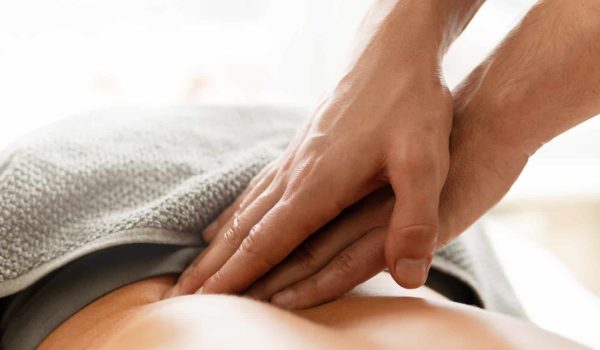
Lower back pain is one of the most common reasons people in Western Sydney look for massage. Whether it comes from long hours at a desk, heavy lifting, sport, or simply the wear and tear of daily life, persistent back tension can affect your sleep, mood, and movement. At Body Remedy in Quakers Hill, we use remedial and deep-tissue techniques to help ease lower back pain and get you moving comfortably again. This guide covers the common causes, how massage helps, and the questions we hear most.
What causes lower back pain?
Most everyday lower back pain is muscular — tight or overloaded muscles, poor posture, weak core support, or a sudden awkward movement. Long periods of sitting, repetitive lifting, and stress that causes us to hold tension in the back and hips are frequent contributors. While the great majority of cases settle with the right care, ongoing or severe pain should always be checked by a health professional.
How does massage help lower back pain?
Remedial massage targets the specific muscles and connective tissue contributing to your pain. By releasing tight bands, easing trigger points, and improving circulation, it can reduce muscle tension, restore range of motion, and calm the nervous system so the area can recover. Many clients combine it with gentle movement and stretching for the best results. You can see all of our treatment options on the services page.
Desk work, posture and back tension
If your back pain flares up after a day at the computer, your posture and sitting habits are likely playing a part. Regular breaks, a supportive set-up, and movement through the day all help. For desk-bound workers and busy workplaces, a quick seated massage can relieve the neck, shoulder, and lower back tension that builds up from sitting — without needing to undress or leave the office for long.
What to expect in a session
Your therapist will ask about your pain, daily activity, and goals, then tailor the treatment and pressure to suit you, focusing on the lower back, hips, and supporting muscles. Afterward it helps to drink water, keep moving gently, and avoid heavy lifting for the rest of the day. If relaxation and stress relief are your main aim, our relaxation massage may be a better fit. You can see current options on our booking page.
When should you see a professional?
Massage is well suited to everyday muscular back pain, but some symptoms need medical attention first. Seek advice promptly if your pain follows a significant injury, is severe or steadily worsening, travels down your leg with numbness or weakness, or comes with unexplained weight loss, fever, or loss of bladder or bowel control. When in doubt, check with your doctor before booking.
Book massage for back pain in Quakers Hill
Body Remedy is based at the BREED Business Centre in Nirimba Fields and welcomes clients from across Quakers Hill, Schofields, and Western Sydney. If lower back tension is holding you back, we are here to help. Book your appointment online today.
Everyday habits that contribute to lower back pain
For many people, lower back pain builds up gradually from everyday habits rather than a single injury: long hours sitting with poor support, repetitive bending and lifting, carrying heavy bags on one side, weak core muscles, and stress that keeps the back and hips tense. Working out which of these apply to you helps target both the treatment and the changes that keep the pain from returning.
Simple self-care to support your recovery
Between sessions, gentle movement usually beats complete rest — short walks, regular breaks from sitting, and light stretching for the hips and lower back all help. Applying heat can ease muscle tension, and staying active within comfortable limits stops the area stiffening up. For general, evidence-based guidance on massage and musculoskeletal pain, the Victorian Government’s Better Health Channel is a trustworthy resource to read alongside professional advice.
Combining massage with movement
Remedial massage tends to work best when paired with gradual strengthening and better movement habits. Easing tight muscles can give you a comfortable window to move more freely, while building core and hip strength over time helps support the lower back and reduce the chance of recurring pain. Your therapist can suggest simple, realistic steps that fit your daily routine.
Is massage good for lower back pain?
For common muscular lower back pain, massage can be very helpful — it eases tight muscles, improves circulation, and supports recovery. For pain caused by injury or a medical condition, check with your doctor first.
How many massage sessions will I need?
It depends on how long you have had the pain and what is causing it. Many people feel relief after one or two sessions, while ongoing or long-standing tension may benefit from a short series plus some maintenance massage.
Should the massage be deep or gentle for back pain?
Both can work. Deeper, more focused work suits stubborn muscle tension, while a gentler approach is better when the area is very sensitive. Pressure is always adjusted to your comfort.
What can I do between sessions?
Gentle movement, regular breaks from sitting, light stretching, staying hydrated, and good sleep all support recovery. Your therapist can suggest simple things tailored to you.
Can massage help back pain from sitting at a desk?
Yes. Desk-related back, neck, and shoulder tension responds well to massage, including quick seated or chair massage that fits around a busy workday.


