
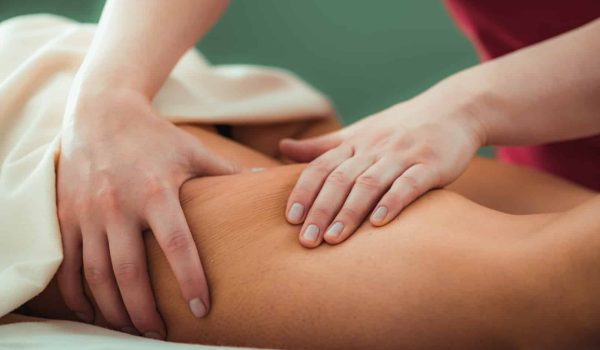
Stiff, aching necks and tight shoulders are some of the most common complaints we see at Body Remedy in Quakers Hill. Hours at a screen, looking down at phones, stress, and poor sleep posture all add up — leaving the neck and shoulders tense, sore, and sometimes triggering headaches. The good news is that this kind of muscular tension usually responds very well to massage. This guide explains the common causes, how massage helps, and answers the questions we hear most.
What causes neck and shoulder tension?
Most everyday neck and shoulder pain is muscular. The biggest culprits are prolonged sitting and screen use, a forward-head or rounded-shoulder posture, carrying stress in the upper body, repetitive movements, and sleeping awkwardly. Over time these habits keep the upper trapezius, neck, and shoulder muscles in a shortened, tight state, which can lead to stiffness, knots, and referred headaches.
How does massage help neck and shoulder pain?
Remedial massage targets the specific muscles holding tension across the neck, shoulders, and upper back. By releasing tight bands and trigger points, improving circulation, and easing the nervous system, it helps reduce stiffness, restore movement, and relieve tension headaches linked to the neck. Many clients leave feeling noticeably lighter through the shoulders. You can view all of our treatment options on the services page.
Desk work and screen posture
If your symptoms build through the working day, your set-up and habits are likely involved. Regular movement breaks, raising your screen to eye level, and relaxing the shoulders all help. For people who spend long hours at a desk, a quick seated massage focused on the neck and shoulders can relieve that build-up of tension without needing to undress or leave the workplace for long.
What to expect in a session
Your therapist will ask about your symptoms, work, and daily habits, then tailor the pressure and focus to suit you, concentrating on the neck, shoulders, and upper back. Afterward it helps to drink water, move gently, and keep the area warm. If your main goal is to unwind and de-stress rather than treat a specific complaint, our relaxation massage may suit you better. Current options are listed on our booking page.
When should you see a professional?
Massage is well suited to everyday muscular neck and shoulder tension. However, seek medical advice first if your pain follows an injury or accident, is severe or worsening, or comes with numbness, pins and needles, or weakness in the arms or hands, dizziness, or severe headaches. When in doubt, check with your doctor before booking.
Book neck and shoulder massage in Quakers Hill
Body Remedy is based at the BREED Business Centre in Nirimba Fields and welcomes clients from across Quakers Hill, Schofields, and Western Sydney. If neck and shoulder tension is wearing you down, we are here to help. Book your appointment online today.
How neck tension can trigger headaches
Tight muscles at the base of the skull and across the upper shoulders are a common driver of tension-type headaches. When these muscles stay contracted — often from screen work, stress or poor sleep posture — they can refer pain up into the head. Easing that tension with targeted massage can, for many people, reduce how often these headaches occur and how intense they feel.
Desk and screen habits that help
A few simple changes make a real difference: raise your screen to eye level, keep your shoulders relaxed rather than hunched, take regular movement breaks, and support your lower back so you are not craning forward. Gentle neck and shoulder stretches through the day also help. For general, evidence-based information on how massage supports muscle tension and wellbeing, the Victorian Government’s Better Health Channel is a reliable resource.
Keeping the relief going between sessions
To get the most from your treatment, pair it with small daily habits: stay hydrated, move regularly, set up your workstation well, and manage stress where you can. If your tension is closely tied to long work hours, a quick maintenance massage every few weeks can stop it building back up to the point of headaches and stiffness.
Can massage help neck and shoulder pain?
Yes — for common muscular tension, massage is one of the most effective ways to ease tightness, improve movement, and relieve related tension headaches. For pain from injury or a medical condition, check with your doctor first.
Can massage help tension headaches?
Often, yes. Many tension-type headaches stem from tight neck and upper-shoulder muscles, and releasing that tension can reduce their frequency and intensity for some people.
How often should I have a massage for neck and shoulder tension?
If tension is ongoing, a short series of sessions followed by regular maintenance often works best. Your therapist can suggest a schedule based on your symptoms and lifestyle.
What can I do between sessions?
Take regular breaks from screens, set your workstation to eye level, do gentle neck and shoulder stretches, manage stress, and aim for supportive sleep posture.
Does the massage need to be deep?
Not necessarily. Deeper work can help stubborn knots, but a moderate, comfortable pressure is often enough. Pressure is always adjusted to suit you.


