
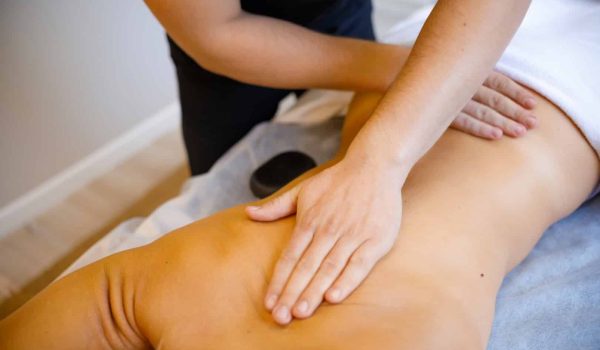
Most people have a rough idea that remedial massage is “deeper” or “more therapeutic” than a relaxation massage — but beyond that, it’s often unclear what’s actually happening during a session, what techniques are being used, or why one approach is used over another.
This article breaks it down clearly: what remedial massage involves technically, how a qualified therapist assesses and treats you, which techniques are used for which conditions, and what it typically costs. If you’re considering booking for the first time — or you’ve had sessions before and want to understand them better — this is a practical guide to how it all works.
WHAT ACTUALLY HAPPENS IN A REMEDIAL MASSAGE SESSION?
It Starts With Assessment, Not Just Touch
A key difference between remedial massage and general relaxation massage is that remedial work begins before the therapist lays a hand on you. A qualified remedial therapist will first take a short history — asking about your symptoms, how long you’ve had them, your daily habits, and what you’ve already tried.
Depending on what you’re dealing with, they may also do a brief physical assessment: watching how you move, checking posture, or testing range of motion in a joint. This isn’t just formality — it shapes the entire session. A therapist who skips this step is essentially working blind.
The information gathered during assessment tells the therapist why your body is behaving the way it is, not just where it hurts. Lower back pain, for example, can stem from tight hip flexors, weak glutes, thoracic restriction, or a combination of all three. Treatment without understanding the source often produces short-term relief but doesn’t hold.
The Main Techniques And What They’re Used For
Remedial massage draws on a toolkit of specific techniques. A good therapist selects and combines them based on your presentation, not habit. Here’s what the main ones do:
Effleurage (Gliding) Long, flowing strokes used to warm up tissue, improve circulation, and prepare the body for deeper work. Often used at the start and end of a session. Not as passive as it looks — it also helps the therapist map the tissue and identify areas of tension before targeting them.
Petrissage (Kneading and Lifting) Rhythmic lifting, squeezing, and rolling of muscle tissue. Effective for releasing superficial tension, improving lymphatic drainage, and creating mobility between tissue layers. Commonly used on the upper back, shoulders, and calves.
Deep Tissue Techniques Slow, sustained pressure applied into deeper muscle layers. Used to break down chronic adhesions — areas where muscle fibres have effectively “stuck together” from repeated strain, overuse, or injury. Can feel intense during treatment but typically produces significant relief afterwards. Not appropriate for every condition or every body — a good therapist will gauge when to use it and at what depth.
Trigger Point Therapy Direct, sustained pressure on specific hyperirritable points within a muscle — commonly referred to as “knots.” These points can refer pain to other areas of the body (a trigger point in the shoulder blade, for example, can cause headache pain). Holding pressure on a trigger point causes it to release, reducing both local and referred symptoms.
Myofascial Release Gentle, sustained stretching of the fascia — the connective tissue web that surrounds muscles, bones, and organs throughout the body. Fascia can become restricted through injury, poor posture, or repetitive movement, limiting mobility and contributing to chronic pain. Myofascial techniques work more slowly than deep tissue and often produce a feeling of “unwinding” in the tissue.
Friction Transverse or circular pressure applied across muscle fibres, tendons, or ligament attachments. Commonly used on scar tissue, tendon issues, and areas of chronic restriction. Can feel sharp during application but helps remodel tissue and restore mobility in targeted areas.
Passive and Active Stretching Some remedial sessions incorporate assisted stretching — either passive (the therapist moves the limb) or active-assisted (the client gently resists while the therapist guides movement). Useful for improving flexibility, restoring joint range of motion, and addressing muscle imbalance.
WHAT CONDITIONS DOES REMEDIAL MASSAGE TREAT?
When you book a remedial massage with us, you’ll start by discussing your needs and goals with our therapist. Matching The Technique To The Problem
Remedial massage isn’t a one-treatment-fits-all approach. The conditions it’s most effective for are generally those involving soft tissue — muscles, tendons, ligaments, and fascia. Here’s a practical breakdown:
Chronic Muscle Tension and Pain Persistent tightness — often in the neck, upper back, lower back, or glutes — that doesn’t resolve with rest alone. Usually responds well to a combination of deep tissue work and trigger point therapy over multiple sessions.
Postural Problems Imbalances from prolonged sitting, screen use, or repetitive work tasks. These often show up as forward head posture, rounded shoulders, or anterior pelvic tilt. Remedial massage addresses the shortened, overactive muscles on one side of a postural pattern, making it easier for the body to hold a more neutral position.
Sports and Overuse Injuries Conditions like ITB syndrome, shin splints, rotator cuff tightness, and hamstring strains respond well to targeted remedial work. Sports massage (a specific application of remedial techniques) focuses on the muscle groups under load from a particular sport or training pattern.
Headaches and Jaw Pain Tension headaches driven by neck and suboccipital muscle tightness often respond quickly to skilled remedial work in the upper cervical region. Jaw tension (sometimes related to grinding or stress) can also be effectively treated through a combination of neck, shoulder, and external jaw work.
Sciatica and Nerve-Related Pain While nerve conditions require careful assessment, soft tissue work around the piriformis and gluteal muscles — which can compress the sciatic nerve — often provides significant relief for people experiencing sciatica-like symptoms.
Post-Injury Recovery Once acute inflammation has settled (generally after 48–72 hours for a soft tissue injury), remedial massage can help restore circulation to the area, reduce scar tissue formation, and support more complete recovery.
THE SESSION PROCESS STEP BY STEPWhat Happens From The Moment You Walk In
Understanding what to expect can help you get more from your session — and makes the experience less daunting if it’s your first time.
1. Intake and History Your therapist will ask about your main concern, how long it’s been an issue, anything that makes it better or worse, and your general health. This takes 5–10 minutes and is not just box-ticking — it directly informs treatment.
2. Assessment Depending on your presentation, the therapist may observe your posture, watch specific movements, or apply gentle pressure to identify areas of restriction or tenderness. This step separates remedial work from a standard massage booking.
3. Treatment You’ll be positioned on the table — typically face down, face up, or on your side — with appropriate draping throughout. The therapist works through the relevant areas using the techniques best suited to your condition. You should feel comfortable communicating throughout: if pressure is too much or too little, or an area feels particularly sensitive, say so.
4. Review and Recommendations At the end of the session, your therapist may suggest stretches or movement habits to support the work done, and recommend how frequently to come in based on your response to treatment. You may feel some post-treatment soreness for 24–48 hours, particularly after deep tissue work — this is normal and usually resolves quickly.
HOW MUCH DOES REMEDIAL MASSAGE COST?
What To Expect And What Affects Pricing
In Australia, remedial massage pricing typically varies based on session length, the therapist’s qualification level, and the type of clinic. As a general guide:
- 45-minute session — typically $75–$100
- 60-minute session — typically $95–$120
- 90-minute session — typically $130–$160
At Body Remedy, our pricing reflects the quality of clinical assessment and treatment — not just time on the table. Every session includes an initial consultation and a treatment plan, not just hands-on time.
Private Health Fund Rebates If your health insurance includes extras cover with remedial massage, you may be eligible for a partial rebate — provided your therapist holds the appropriate qualifications and association membership. The rebate amount varies significantly between funds and policy levels. We recommend checking your specific policy before booking if this is a factor for you.
NDIS and WorkCover Some clients may be eligible for funded remedial massage through NDIS plans or WorkCover claims. If this applies to you, get in touch before booking so we can confirm eligibility and ensure the correct processes are followed.
HOW TO CHOOSE A REMEDIAL MASSAGE THERAPIST
What Qualifications And Experience Actually Matter
In Australia, remedial massage therapists should hold a minimum of a Certificate IV or Diploma in Remedial Massage from a registered training provider. Many qualified therapists also hold full membership with a professional association such as ATMS (Australian Traditional-Medicine Society), AAMT, or Massage & Myotherapy Australia — which is typically required for private health fund rebates.
Beyond formal qualifications, experience with your specific condition matters. A therapist who specialises in sports recovery may approach a desk-worker’s postural issues very differently to one whose focus is chronic pain management. Don’t hesitate to ask about their experience with your particular concern before booking.
Red flags to watch for: therapists who don’t ask about your health history, who use the same routine on every client regardless of what you’ve described, or who can’t explain why they’re using a particular technique.
COMMON QUESTIONS ABOUT HOW REMEDIAL MASSAGE WORKS
Does remedial massage have to hurt to be effective? No. This is one of the most common misconceptions. While some techniques — particularly trigger point work and deep tissue — can feel intense, effective treatment doesn’t require pain. Your therapist should always work within your tolerance, and “no pain, no gain” is not a sound clinical philosophy. Some of the most effective work is done at moderate pressure with precise technique.
How many sessions will I need? It depends on the condition and how long it’s been present. Acute issues often respond in 2–4 sessions. Chronic conditions that have developed over months or years typically require more consistent care before lasting change is achieved. Your therapist should give you an honest estimate after your first session — be cautious of anyone who can’t give you a rough indication or who locks you into packages before treating you.
Can I get a remedial massage if I’m pregnant? Yes, with appropriate modifications. Pregnancy massage uses side-lying positioning and avoids certain techniques and pressure points. It’s effective for managing lower back pain, hip tightness, swelling, and the general physical demands of pregnancy. Let your therapist know your gestation and any pregnancy-specific concerns at the time of booking.
Should I do anything before or after my session? Stay well hydrated before your appointment — well-hydrated tissue responds better to treatment. After your session, continue drinking water and avoid strenuous exercise for the rest of the day. If you experience significant post-treatment soreness, a warm bath or gentle movement usually helps it resolve faster.
Ready To Book A Session At Body Remedy?
Booking is easy! Simply visit our Booking page to schedule your appointment.
Ready to experience the benefits of remedial massage? Contact us today to start your journey to better health and relaxation.
- Qualified remedial massage therapists
- Assessment-based treatment, tailored to your body
- Private health fund rebates available
- Serving clients across Western Sydney from our Quakers Hill studio


