
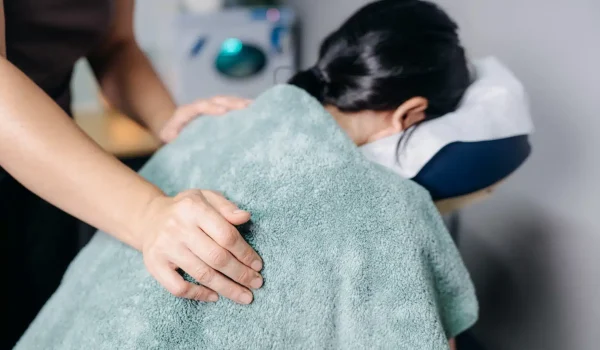
Deep tissue massage is one of the most requested treatments at Body Remedy, and for good reason. If you carry stubborn muscle tension, wake up stiff, or push your body hard at work or in sport, this firm, focused massage can reach the tightness that a lighter massage simply glides over. Here’s a clear guide to what deep tissue massage is, the benefits, what to expect in a session, and how it compares to remedial, sports and Swedish massage — written by Michelle, the remedial massage therapist behind Body Remedy in Quakers Hill, Western Sydney.
What is deep tissue massage?
Deep tissue massage is a type of massage that works the deeper layers of muscle and soft tissue, rather than just the surface. Using slow, deliberate strokes and sustained deep pressure, a massage therapist works along and across the muscle fibres to release deep-seated muscle tension, break down adhesions in the connective tissue and ease areas of chronic tightness. It is a firmer treatment than a relaxation or Swedish massage, but it should always be worked to a pressure you are comfortable with.
The aim isn’t simply to press harder. Good deep tissue work is precise: the massage therapist assesses where your muscles are holding tension, then uses targeted massage techniques — including trigger point therapy and slow, lengthening strokes — to loosen the muscle, free up restricted connective tissue and restore better movement. Because it targets the deeper tissue and the musculoskeletal system, deep tissue massage is a popular choice for people with ongoing musculoskeletal pain, old sports injuries or scar tissue from a previous strain.
The benefits of deep tissue massage
People come to Body Remedy for deep tissue massage to solve a specific problem and get real pain relief, not just to relax — although many leave feeling deeply relaxed too. The main benefits of deep tissue massage include:
- Relief from back pain and neck pain. Deep tissue massage is well suited to low back pain, upper back tightness and neck pain caused by muscle tension, posture or overuse. By releasing the tight muscles pulling on the spine, it can reduce pain and improve how you move.
- Easing chronic pain and muscle tension. For long-standing tightness and chronic pain, sustained pressure helps loosen muscles that haven’t fully let go, calming the area and reducing day-to-day soreness.
- Better recovery for athletes and active people. Deep tissue and sports massage help flush fatigued muscles, support recovery between training sessions and keep sports injuries from becoming long-term problems.
- Improved blood flow and mobility. Working the deeper tissue encourages blood flow to tired muscles and helps restore range of motion, so you feel looser and move more freely.
- Breaking down scar tissue and adhesions. Over time, focused massage techniques can help soften scar tissue and connective tissue restrictions from old injuries.
Deep tissue massage isn’t a cure for every condition, and it works best as part of a wider plan that may include stretching, movement and, where needed, physiotherapy. If you have severe or unexplained pain, we’ll always suggest you check in with your GP or physiotherapist first.
What to expect in a deep tissue massage
Your session starts with a short chat about how you’re feeling, where you hold tension and what you want from the treatment. From there, your massage therapist warms up the area with broader strokes before working into the deeper layers with firmer, slower pressure and trigger point work on the tightest spots.
Does deep tissue massage hurt? It can feel intense when the therapist works through a stubborn knot, but it should never be a case of gritting your teeth. There’s a “good” kind of pressure — firm but tolerable — and we adjust constantly based on your feedback. It’s normal to feel some soreness for a day or two afterwards, much like after a workout; drinking water, gentle movement and warmth all help. A deep tissue treatment can be focused on one area, such as the upper back and neck, or delivered as a fuller full-body massage.
Techniques used in a deep tissue massage
A deep tissue session blends several massage techniques, chosen to match your body:
- Slow, gliding strokes to warm the soft tissue and encourage blood flow before the deeper work begins.
- Stripping strokes along the length of the muscle to lengthen the fibres and loosen tight muscles.
- Trigger point therapy — sustained pressure on a tight knot until it releases, easing referred pain.
- Myofascial release and cross-fibre friction to free up connective tissue, soften scar tissue and improve mobility through the musculoskeletal system.
Together these massage techniques reduce pain, support recovery and help your muscles move the way they should.
Deep tissue vs remedial, sports and Swedish massage
These terms overlap, so it helps to know the difference between each type of massage:
- Deep tissue massage focuses on firm, sustained pressure to release deep muscle tension and chronic tightness.
- Remedial massage is an assessment-led treatment that identifies the source of your pain or restriction and treats it — often using deep tissue techniques as part of the session. At Body Remedy, remedial massage and deep tissue work go hand in hand.
- Sports massage applies similar techniques with a focus on training, performance and recovery for athletes and active people.
- Swedish (relaxation) massage uses lighter, flowing strokes designed mainly for relaxation and stress relief, rather than deep muscular change.
If you’re not sure which type of massage you need, that’s exactly what your initial assessment is for — we’ll tailor the pressure and approach to your body and goals.
Who is deep tissue massage for?
Deep tissue massage suits desk workers with tight muscles in the shoulders and neck, tradies and parents carrying physical loads, and athletes and active people managing training and sports injuries. It’s also a good fit if you’ve tried a lighter massage and felt it didn’t quite reach the problem. It may not be suitable during certain health conditions or pregnancy — in those cases we’ll recommend a gentler treatment such as our pregnancy or relaxation massage.
Deep tissue massage in Western Sydney
Body Remedy is based at the BREED Business Centre in Nirimba Fields, Quakers Hill, caring for clients across Western Sydney — Schofields, Marsden Park, Blacktown, Mount Druitt and beyond. Every deep tissue massage is delivered by Michelle, who takes the time to understand your body and never rushes a session. We’re HICAPS-enabled, so if your private health extras cover remedial massage you can claim your rebate on the spot and only pay the gap. Free on-site parking is available, and you can book online in under a minute.
Ready to release that deep muscle tension? Book your deep tissue massage online, or explore our deep tissue & sports massage and remedial massage services.
Deep tissue massage FAQs
Does deep tissue massage hurt?
It can feel firm and intense over tight spots, but it should stay within a good-pain range you are comfortable with. Your massage therapist adjusts the pressure to your feedback, and mild soreness for a day or two afterwards is normal.
What is the difference between deep tissue and remedial massage?
Deep tissue massage focuses on firm pressure to release deep muscle tension, while remedial massage is an assessment-led treatment that finds and treats the cause of your pain, often using deep tissue techniques along the way.
How often should you get a deep tissue massage?
For a specific issue, weekly or fortnightly sessions help at first, easing to monthly maintenance once the muscle tension settles. Athletes and people with chronic pain often benefit from a regular routine.
Is deep tissue massage a full-body treatment?
It can be either. We can focus on one problem area, such as the lower back or neck and shoulders, or deliver a fuller full-body massage, whatever suits your goals and time.
Can I claim deep tissue massage on private health?
Yes, if your extras cover includes remedial massage. Body Remedy is HICAPS-enabled, so you claim your rebate on the spot and only pay the gap.