
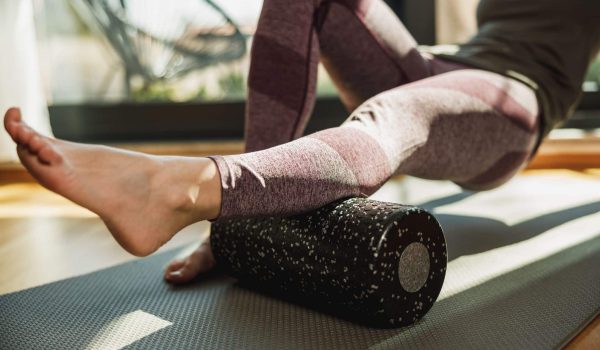
Foam rolling is a popular way to massage yourself. It targets fascia, the tissue around muscles. It’s great for athletes, office workers, or anyone with fascia pain. By using a foam roller, you can help ease muscle tension. It also helps improve flexibility. In this article, you’ll learn about five key benefits of foam rolling for fascia pain relief. So, whether you like sports massage or need to ease muscle stiffness, this guide has practical tips. It can help improve your recovery routine. Here’s how foam rolling can boost blood flow. Plus, it can reduce swelling and support muscle stretchiness. It offers you effective relief from daily aches.
What is Foam Rolling for Fascia Pain Relief?
Foam rolling is a way to massage yourself using a foam roller. It’s made to help with fascia pain. Fascia is the tissue around muscles. When it’s tight, it can hurt. Foam rolling helps by pressing on these spots. So, it loosens the fascia and cuts pain. Here’s an example. If your calves are sore after a workout, you can roll the foam under them. This move helps release tightness. Now, it makes muscles more stretchy. Many find that foam rolling gives quick relief from stiff muscles. Plus, it helps recovery. Foam rolling also boosts blood flow up to 75%. This brings more oxygen to the area. It’s helpful after exercise. It cuts muscle soreness that comes later. Plus, foam rolling can boost short-term flexibility. So, it helps joints move better for about 30 minutes. Now, foam rolling can also cut swelling. It’s a great tool for active folks, athletes, and anyone with muscle tightness. For fast relief, foam rolling can be used with sports massage. It targets spots that need care. Want to know more about how foam rolling and sports massage can ease your muscle tension? Contact us today to book a visit.
Why Foam Rolling for Fascia Pain Relief Matters
Foam rolling is a simple but powerful way to ease fascia pain. Here’s why it’s a game-changer for you:
- Reduces Muscle Stiffness: Regular foam rolling can really cut down muscle stiffness. This is great for those with muscle soreness. It helps you feel more relaxed.
- Speeds Up Recovery: After a hard workout, foam rolling helps you recover. It improves muscle tone. It also makes movement smoother between fascia layers, easing friction.
- Boosts Blood Flow: Foam rolling boosts blood flow by up to 75%. It delivers oxygen to your muscles. This speeds up recovery and is great before or after a sports massage.
- Improves Flexibility: You can get quick flexibility boosts from foam rolling. It increases how far joints can move. This makes sports and daily tasks easier.
- Localised Pain Relief: By focusing on sore spots, foam rolling gives quick relief. It works wonders for muscle tension. It gives fast comfort where you need it most.
- Reduces Inflammation: Foam rolling can cut down swelling. It speeds up recovery from hard activities. Plus, it works well with remedial massage, especially for active folks.
How Much Does a Remedial Massage Cost and What’s the Booking Process?
When considering a remedial massage, you might wonder about the cost and the booking process. Here’s a simple guide to help you find your way your way:
- Check Pricing: Prices can vary based on session length and specific needs. Typically, a 60-minute session might cost between $80 to $120.
- Book an Appointment: Visit our website and click on the “Make A Booking” button. Choose your preferred date and time.
- Initial Consultation: During your first visit, our therapist will discuss your specific needs and health history to tailor the massage to your needs.
- Payment Options: We accept various payment methods including credit cards and, in some cases, health fund rebates may apply.
- Follow-up Sessions: Depending on your needs, you may benefit from regular sessions. Ask your therapist for recommendations.
Taking these steps ensures a smooth process from start to finish. Feel free to reach out if you have any questions or need further help. We’re here to help you achieve relaxation and relief.
How to Choose the Right Foam Rolling for Fascia Pain Relief
Choosing the right foam roller can make a big difference in easing fascia pain. Here are some tips to help you decide:
- Firmness: Opt for a medium-density roller if you’re new to foam rolling. It’s gentle enough for beginners yet effective for easing fascia tension.
- Texture: Smooth rollers are great for general use, while textured ones can target deeper muscle knots and are ideal if you need more pressure.
- Size: A standard 90cm roller suits most needs, but a shorter one is easier to use on specific areas, like calves or arms.
- Material: Look for durable materials like EVA foam. It’s long-lasting and can withstand regular use without losing shape.
- Portability: If you plan to take your roller to the gym or on trips, choose a lightweight, compact design for easy transport.
By considering these factors, you’ll select a foam roller that fits your needs and supports effective fascia pain relief.
Foam Rolling Benefits Checklist
- So, cuts down muscle stiffness ✔️
- Speeds up healing ✔️
- Boosts blood flow ✔️
- Now, improves bending ✔️
- Here’s, eases pain fast ✔️
- Lessens swelling ✔️
- Helps with muscles ✔️
Common Mistakes to Avoid
- Over-Rolling: Spending too long on one spot can irritate the muscle. Stick to 30-60 seconds per area.
- Rolling Too Fast: Quick movements lessen the pressure’s effectiveness. Slow, controlled rolls yield better results.
- Ignoring Pain Signals: Pain is a signal to ease off. If it hurts, adjust your pressure or stop.
- Bad Posture: Keep your core engaged and posture aligned to avoid strain on other muscles.
- Rolling Over Joints: Avoid direct pressure on joints, like knees or elbows, as this can cause discomfort or injury.
- Lack of Consistency: occasional use won’t deliver lasting benefits. Regular sessions are key for best results.
Frequently Asked Questions
What is foam rolling?
Foam rolling is a self-massage technique using a foam cylinder to release muscle tension and soreness. It’s often used to target fascia, the connective tissue surrounding muscles.
How does foam rolling help with fascia pain?
Foam rolling helps reduce fascia pain by improving blood flow and muscle elasticity. This can decrease stiffness and improve mobility, making it a great addition to your exercise routine.
Can foam rolling replace sports massage?
Foam rolling complements sports massage but doesn’t replace it. While foam rolling offers self-treatment benefits, a sports massage provides targeted care by a expert therapist.
How often should I foam roll?
For best results, foam roll 3-4 times a week. Focus on tender areas for 1-2 minutes each. Always listen to your body and adjust as needed.
Is foam rolling suitable for everyone?
Most people can benefit from foam rolling. but, if you have specific health conditions, consult with a healthcare provider before starting.
What should I expect after foam rolling?
After foam rolling, you might feel immediate relief in stiffness and increased flexibility. Drink water and rest if you feel sore.
Ready to enhance your recovery? Learn more about our Sports Massage services to support your wellness journey.


