
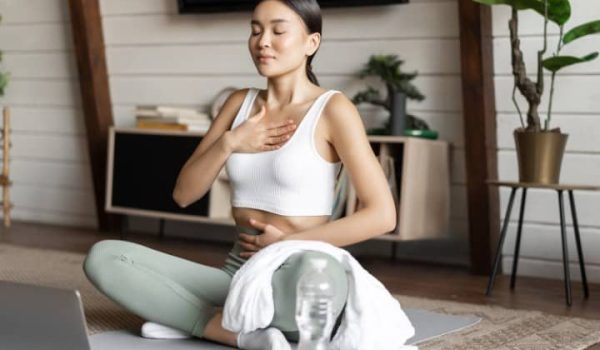
Most people don’t think about their breathing until they feel stressed, anxious, or short of breath. Yet breathing is one of the most powerful tools we have to influence how our body feels — physically and mentally.
At Body Remedy, we often see clients with tight shoulders, neck pain, headaches, and chronic muscle tension. While massage therapy is extremely effective for releasing muscle tightness, one important factor is often overlooked: how we breathe.
Learning how to breathe properly can help calm your nervous system, reduce pain sensitivity, and improve how your body responds to massage treatment.
Your Nervous System: The Key to Relaxation and Healing
Your body has two main nervous system states:
Sympathetic Nervous System
Often called the fight or flight system. It activates when you’re stressed, rushing, or under pressure.
Parasympathetic Nervous System
Known as the rest and digest system. This is when your body relaxes, recovers, digests food, and repairs tissues.
Many people today live in a constant low-level stress state, which keeps the body in sympathetic mode. This can lead to:
- Increased muscle tension
- Jaw clenching and teeth grinding
- Headaches and migraines
- Tight neck and shoulders
- Poor sleep
- Slower recovery from injuries
This is where breathing becomes incredibly powerful.
The Vagus Nerve: Your Body’s Relaxation Switch
One of the most important nerves in the body is the vagus nerve.
It runs from the brain down through the neck and into the chest and abdomen, connecting to many major organs. The vagus nerve plays a key role in activating the parasympathetic nervous system.
When the vagus nerve is stimulated, it helps:
- Slow your heart rate
- Lower stress hormones
- Reduce inflammation
- Relax muscles
- Improve digestion
- Promote a sense of calm
One of the simplest ways to stimulate the vagus nerve is through slow, controlled breathing.
Chest Breathing vs Diaphragmatic Breathing
Many people breathe using their upper chest, especially when stressed. This type of breathing is often fast and shallow.
Signs you may be chest breathing:
- Your shoulders lift when you inhale
- Breathing feels tight or shallow
- You feel tension in the neck and upper traps
- You feel anxious or wired
The healthier pattern is diaphragmatic breathing, also known as belly breathing.
This involves the diaphragm — a large muscle under the lungs — expanding as you inhale.
Benefits include:
- Better oxygen exchange
- Reduced neck and shoulder tension
- Activation of the vagus nerve
- Improved relaxation response
- Better core and spinal stability
A Simple Breathing Exercise to Try
You can practice this anywhere — before bed, during stressful moments, or even before a massage session.
Step 1 Place one hand on your chest and one hand on your stomach.
Step 2 Slowly inhale through your nose for 4 seconds, allowing your belly to expand.
Step 3 Pause briefly.
Step 4 Slowly exhale through your mouth for 6 seconds, letting your stomach relax.
Step 5 Repeat for 2–5 minutes.
The longer exhale helps stimulate the vagus nerve, which encourages the body to shift into a relaxed state.
How Breathing Improves Massage Therapy Results
At Body Remedy, our goal is not just to treat symptoms, but to help the body move and function better.
When clients arrive stressed or tense, their nervous system is often still in a protective state. This can make muscles guard and resist treatment.
Slow breathing during your massage can help:
- Allow muscles to release more easily
- Reduce pain sensitivity
- Improve circulation
- Enhance relaxation
- Improve treatment outcomes
This is why you may sometimes hear therapists gently remind you to take a slow breath during treatment — it helps the body let go of tension.
Breathing and Chronic Muscle Tension
Many chronic pain patterns are linked to poor breathing mechanics.
For example:
Neck and shoulder tension
Often linked to overactive accessory breathing muscles such as the scalenes, upper trapezius and sternocleidomastoid.
Lower back tension
Can be influenced by poor diaphragm function and reduced core stability.
Jaw tension and teeth grinding
Often connected to stress and nervous system activation.
By improving breathing patterns alongside massage therapy, we can address both the muscular and nervous system components of tension.
Small Habit, Big Impact
Breathing is something we do over 20,000 times per day, yet very few people are taught how to do it effectively.
Taking just a few minutes each day to practice slow breathing can:
- Improve stress resilience
- Reduce muscle tension
- Improve sleep
- Support recovery from training or injury
- Enhance the benefits of massage therapy
Supporting Your Recovery
At Body Remedy, we combine hands-on treatment with simple strategies that help your body recover and function better between sessions.
Breath awareness is one of the easiest and most effective tools you can start using today.
If you experience ongoing muscle tension, headaches, or stress-related tightness, remedial massage therapy can help reset the body and support long-term relief.
Book a treatment at Body Remedy and experience the difference that targeted remedial massage and nervous system relaxation can make.


